All Worksheets
Unlock Access to Hundreds of Premium Worksheets!
Our extensive collection of high-quality worksheets will help you teach more effectively and engage your students.


William Shakespeare
Past Simple practice with your favourite bard.
There are lots of activities to keep your students going : get those 'Did' questions sorted. Follow-up activities available in the teacher's notes. Teach your students both the grammar point, and a bit of culture as well!
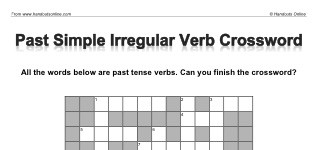
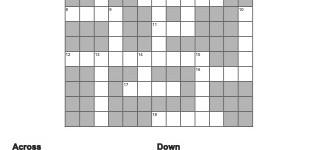
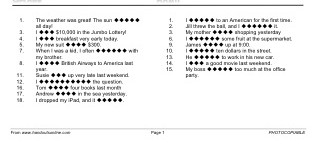
Past Simple Irregular Verb Crossword
It can be an uphill battle trying to get students to memorize irregular verb forms. This worksheet tests the most common verb forms which cause difficulties.
It's a great way to boost your students' knowledge of the most important irregular verbs.
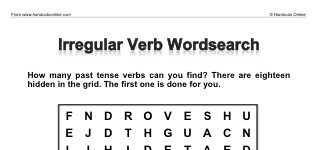
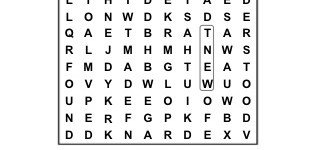

Irregular Verb Wordsearch
It's exactly what the title suggests: irregular verbs in a wordsearch. It's ideal as homework or (even better?) as a quiet 15 minute activity in the lesson.
Give yourself a breather, and download this for your students!


Exchanging Goods


Living Abroad
This worksheet looks at the structures 'be used to' and 'get used to' for talking about familiarity.
There's a conversation about living overseas, followed by comprehension questions, grammar practice and a role-play. For additional fluency, there are also some discussion questions at the end.
This is a great way to teach 'be used to' in a communicative context.
'Living abroad' is written for intermediate students, but can easily be adjusted for other levels.


Is it art?
This worksheet looks at the language used for describing the five senses. Taking art as the theme, students study both the adjective pattern (it looks good) and the noun pattern (it looks like a Picasso).
This two-page worksheet has conversation, grammar practice and discussion.
It's great for upper-elementary and lower-intermediate students.


Packing Light
Do your students pack too much when going on holiday? Is there anything they always take with them?
The topic of travel always works well with students, and this lower-level reading has lots of exercises to keep your class busy.
There is a reading, comprehension questions, role play and discussion.
This worksheet is designed for upper-elementary to intermediate-level students.


